
 Image 1 of 1
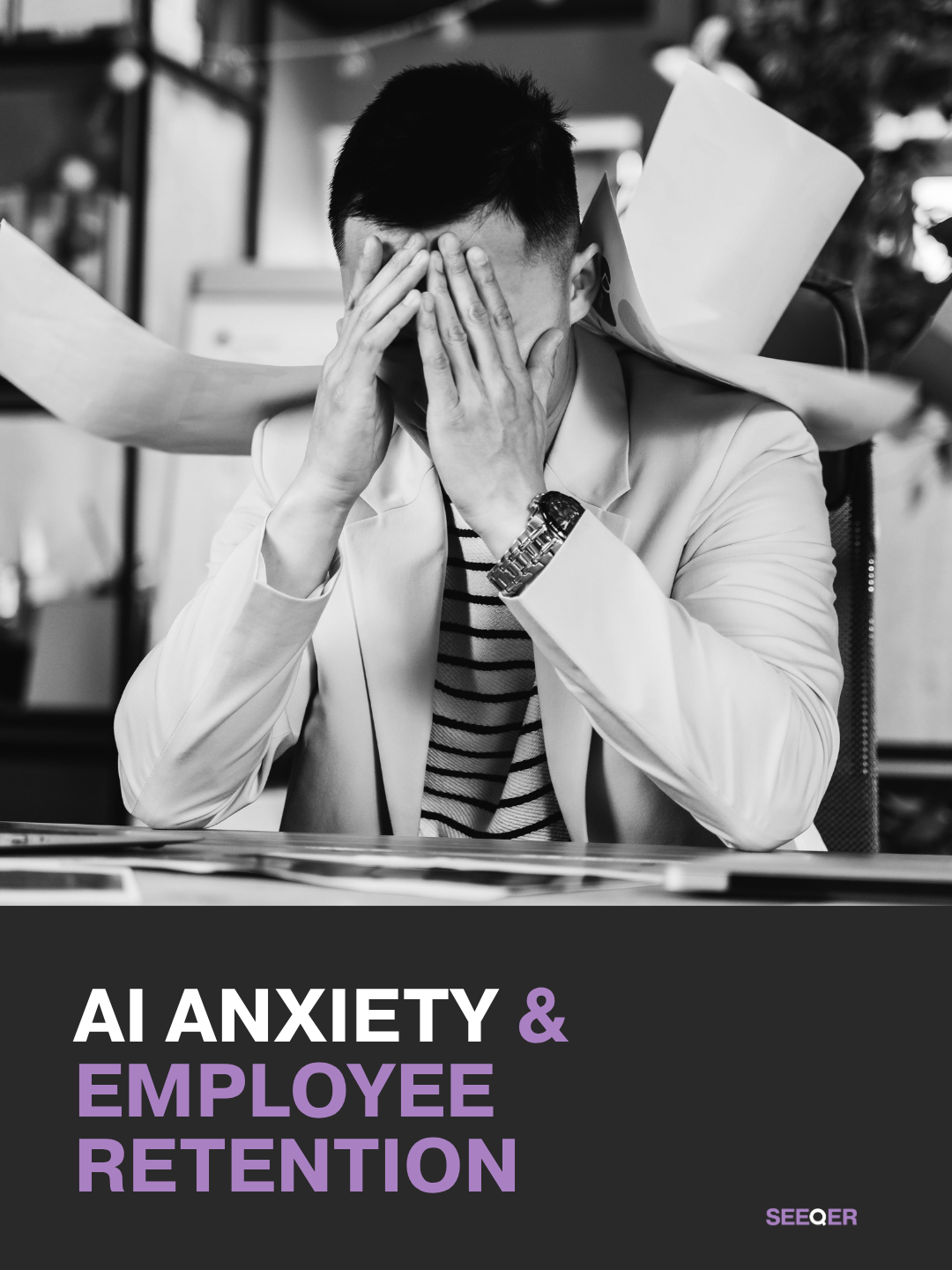
Nearly half of U.S. workers (49%) fear personally losing their job to AI tools and automation. Another 38% worry AI will make some or all of their job duties outdated.
This fear is changing how people think about staying or leaving. Many workers feel pressure to produce more without proper training. 67% of employees say AI has increased productivity expectations at work, and 64% of those workers report higher stress from those demands. Trust is also broken. Only 9% of workers trust AI for complex business decisions, but 61% of executives do. That is a 52-point gap. At the same time, 61% of employees say their organization has not given them adequate guidance on how to use AI effectively.
Younger and early-career workers feel the impact most. Workers with less than one year of experience report the greatest difficulty finding jobs due to AI. 39% say AI has made job access harder for them. Many early-career workers are reconsidering their career paths because of AI. Only 36% of all workers say their employer provides enough AI training. That is down from 45% a year ago.
49% of workers fear personally losing their job to AI tools and automation.
69% of workers believe AI will lead to layoffs at their company within three years.
24% of employees say AI is already hurting their mental health.
58% of employees do not trust their employer to have a clear AI roadmap. Only 36% say their employer offers adequate AI training.
55% of workers who get AI training are more likely to leave for better outside opportunities. They are also twice as likely to quit as less trained peers.
Every report is human-checked and delivered in one business day. You get the latest numbers, not last quarter's.
This report synthesizes data from Modern Health’s 2026 workplace mental health survey (1,000 U.S. employees), WalkMe’s State of Digital Adoption 2026 (3,750 respondents across 14 countries), Jobs for the Future’s 2025 worker survey (3,020 respondents), and Genius HRTech’s 2025 survey (1,704 professionals).
Nearly half of U.S. workers (49%) fear personally losing their job to AI tools and automation. Another 38% worry AI will make some or all of their job duties outdated.
This fear is changing how people think about staying or leaving. Many workers feel pressure to produce more without proper training. 67% of employees say AI has increased productivity expectations at work, and 64% of those workers report higher stress from those demands. Trust is also broken. Only 9% of workers trust AI for complex business decisions, but 61% of executives do. That is a 52-point gap. At the same time, 61% of employees say their organization has not given them adequate guidance on how to use AI effectively.
Younger and early-career workers feel the impact most. Workers with less than one year of experience report the greatest difficulty finding jobs due to AI. 39% say AI has made job access harder for them. Many early-career workers are reconsidering their career paths because of AI. Only 36% of all workers say their employer provides enough AI training. That is down from 45% a year ago.
49% of workers fear personally losing their job to AI tools and automation.
69% of workers believe AI will lead to layoffs at their company within three years.
24% of employees say AI is already hurting their mental health.
58% of employees do not trust their employer to have a clear AI roadmap. Only 36% say their employer offers adequate AI training.
55% of workers who get AI training are more likely to leave for better outside opportunities. They are also twice as likely to quit as less trained peers.
Every report is human-checked and delivered in one business day. You get the latest numbers, not last quarter's.
This report synthesizes data from Modern Health’s 2026 workplace mental health survey (1,000 U.S. employees), WalkMe’s State of Digital Adoption 2026 (3,750 respondents across 14 countries), Jobs for the Future’s 2025 worker survey (3,020 respondents), and Genius HRTech’s 2025 survey (1,704 professionals).