
 Image 1 of 1
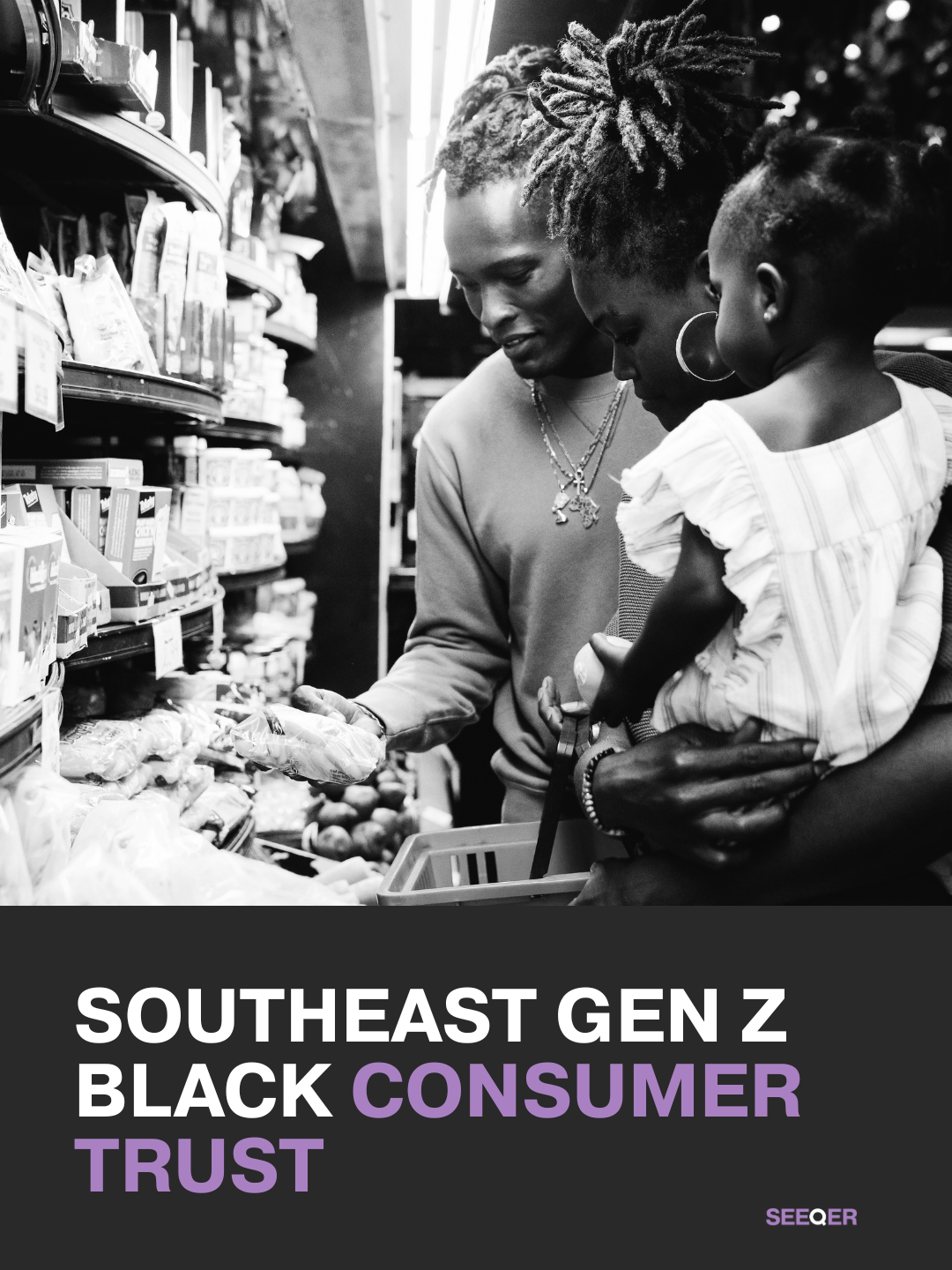
64% of Black Gen Z consumers take direct action based on a brand's sociopolitical stance. That means they choose to buy from a brand or boycott it.
In the U.S. Southeast, this generation is paying close attention. States like Georgia, Alabama, Mississippi, North Carolina, and South Carolina have strong Black communities and a deep culture of local business. When big companies pull back on diversity, equity, and inclusion (DEI), Gen Z Black shoppers notice. Many feel the pullbacks are not just political moves. They feel personal. A retail boycott in the Southeast, including calls from an Atlanta pastor, has gained real momentum.
Trust is the main driver. Over 70% of Black consumers say they will stop buying from brands perceived as devaluing their community. But trust can also be rebuilt through authentic engagement. Over 80% of Gen Z and Millennials say they benefit when Black culture is well‑represented. However, nearly half of Gen Z adults (40%) have already stopped buying from a brand that reversed its DEI efforts. This is not an abstract value. It directly changes shopping behavior.
64% of Black Gen Z consumers take action based on a brand's sociopolitical stance—choosing to buy from or boycott brands.
70% of Black consumers will stop buying from brands perceived as devaluing their community.
40% of Gen Z adults have stopped using or purchasing from brands that contradicted or reversed DEI efforts.
80% of Gen Z and Millennials say they personally benefit when Black culture is well‑represented.
In 2026, Black buying power is projected to reach $2.1 trillion, making this group a major economic force.
Every report is human-checked and delivered in one business day. You get the latest numbers, not last quarter’s.
This report currently synthesizes data from Nielsen, Horowitz Research, Urban One‘s Cultural ROI study, and the Collage Group as of 2025-2026.
64% of Black Gen Z consumers take direct action based on a brand's sociopolitical stance. That means they choose to buy from a brand or boycott it.
In the U.S. Southeast, this generation is paying close attention. States like Georgia, Alabama, Mississippi, North Carolina, and South Carolina have strong Black communities and a deep culture of local business. When big companies pull back on diversity, equity, and inclusion (DEI), Gen Z Black shoppers notice. Many feel the pullbacks are not just political moves. They feel personal. A retail boycott in the Southeast, including calls from an Atlanta pastor, has gained real momentum.
Trust is the main driver. Over 70% of Black consumers say they will stop buying from brands perceived as devaluing their community. But trust can also be rebuilt through authentic engagement. Over 80% of Gen Z and Millennials say they benefit when Black culture is well‑represented. However, nearly half of Gen Z adults (40%) have already stopped buying from a brand that reversed its DEI efforts. This is not an abstract value. It directly changes shopping behavior.
64% of Black Gen Z consumers take action based on a brand's sociopolitical stance—choosing to buy from or boycott brands.
70% of Black consumers will stop buying from brands perceived as devaluing their community.
40% of Gen Z adults have stopped using or purchasing from brands that contradicted or reversed DEI efforts.
80% of Gen Z and Millennials say they personally benefit when Black culture is well‑represented.
In 2026, Black buying power is projected to reach $2.1 trillion, making this group a major economic force.
Every report is human-checked and delivered in one business day. You get the latest numbers, not last quarter’s.
This report currently synthesizes data from Nielsen, Horowitz Research, Urban One‘s Cultural ROI study, and the Collage Group as of 2025-2026.