
 Image 1 of 1
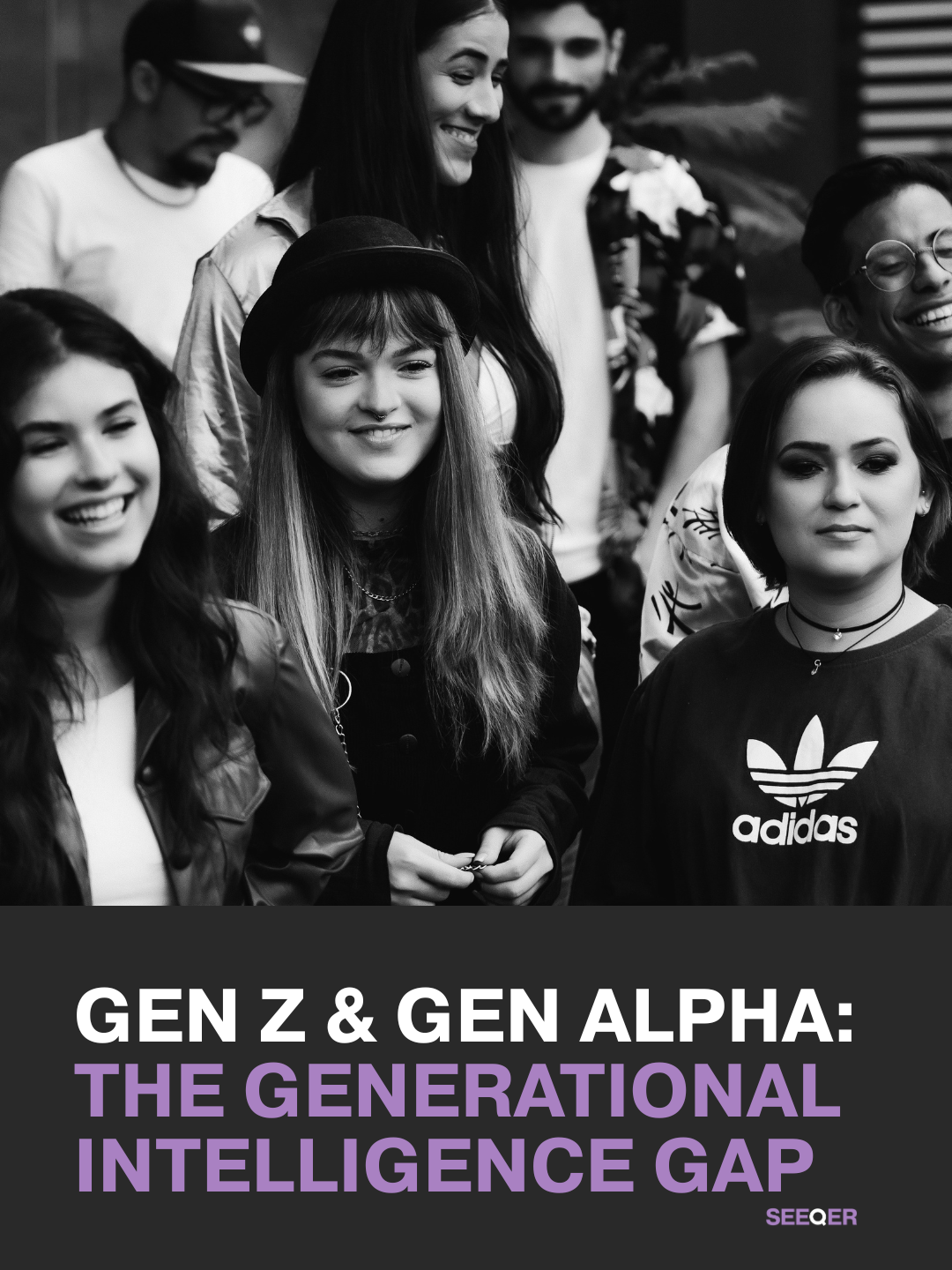
Gen Z already commands $360 billion in buying power. Gen Alpha has over $100 billion in direct spending.
Most research treats Gen Alpha as "Gen Z 2.0." That is a mistake. Gen Alpha is different. By 2029, their spending power will reach $5.5 trillion. Roughly 1 in 3 US parents (31%) say their children influence household purchase decisions. These young consumers set trends before most brands notice. They also shift loyalty faster than any group before them.
The signals that matter to people 25 and under are not on most radars. They care about different things. They buy through different channels. They trust different voices. This report uncovers the top 3 to 5 forward-looking indicators for the next six months. You get the facts you need to move before the market shifts.
What the verified research shows:
Most Gen Alpha kids have their own money. The average Gen Alpha child has $67 to spend each week.
Gen Alpha kids are active co-creators. 97% want to help brands test new products and shape how stores look.
Gen Z cut overall spending by 13% early in 2025. But their global spending power will hit $12 trillion by 2030.
42% of all household purchases are now driven by Gen Alpha. That is nearly half of family spending.
Many brands still ignore these young buyers. That leaves a giant gap for competitors to fill.
Every report is human-checked and delivered in one business day. You get the latest numbers, not last quarter’s.
Methodology note: Data sources include DKC Analytics (2025), Mintel, Bloomberg, PwC, and Razorfish. This report is global with a US cut.
Gen Z already commands $360 billion in buying power. Gen Alpha has over $100 billion in direct spending.
Most research treats Gen Alpha as "Gen Z 2.0." That is a mistake. Gen Alpha is different. By 2029, their spending power will reach $5.5 trillion. Roughly 1 in 3 US parents (31%) say their children influence household purchase decisions. These young consumers set trends before most brands notice. They also shift loyalty faster than any group before them.
The signals that matter to people 25 and under are not on most radars. They care about different things. They buy through different channels. They trust different voices. This report uncovers the top 3 to 5 forward-looking indicators for the next six months. You get the facts you need to move before the market shifts.
What the verified research shows:
Most Gen Alpha kids have their own money. The average Gen Alpha child has $67 to spend each week.
Gen Alpha kids are active co-creators. 97% want to help brands test new products and shape how stores look.
Gen Z cut overall spending by 13% early in 2025. But their global spending power will hit $12 trillion by 2030.
42% of all household purchases are now driven by Gen Alpha. That is nearly half of family spending.
Many brands still ignore these young buyers. That leaves a giant gap for competitors to fill.
Every report is human-checked and delivered in one business day. You get the latest numbers, not last quarter’s.
Methodology note: Data sources include DKC Analytics (2025), Mintel, Bloomberg, PwC, and Razorfish. This report is global with a US cut.